Effective Communication Strategies for Debt Recovery: What Works Best?
Debt recovery is a delicate process that requires a balance of persistence, professionalism, and empathy. Poor communication can lead to disputes, reputational damage, and regulatory issues.
At ConServe, our track record of success stems from our belief that Consumers need understanding, guidance, and a plan for achieving financial freedom. Most importantly, they deserve to be treated with dignity, integrity, and respect. We call this Fostering Financial FreedomⓇ. This type of empathetic philosophy can lead to Consumers feeling more comfortable discussing their issues and increase their willingness to resolve their debt.
Best Practices for Outreach
Effective outreach is the foundation of successful debt recovery. Your approach should be strategic, compliant with regulations, and considerate of the debtor’s circumstances.
Choose the Right Communication Channels
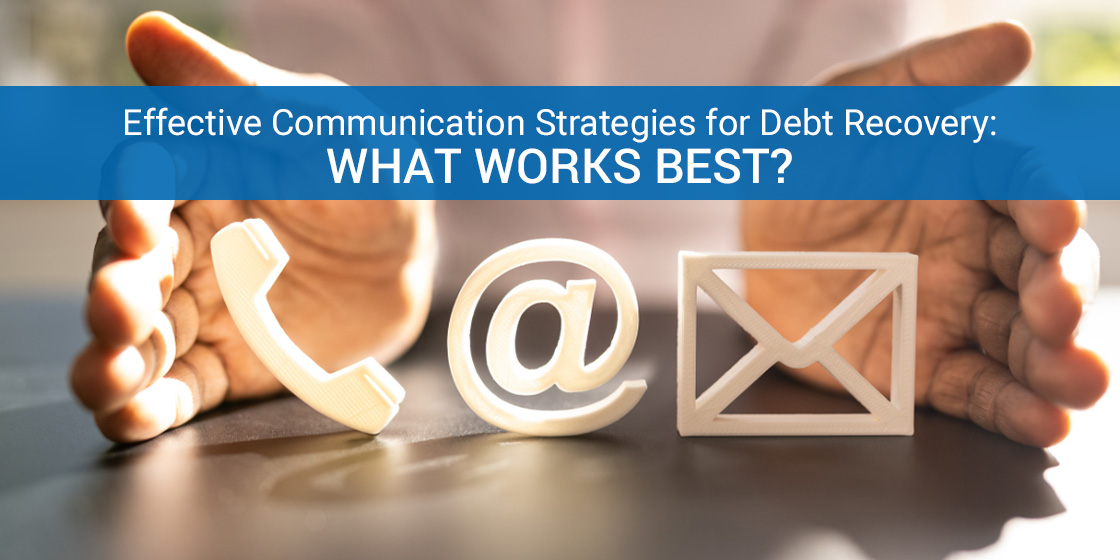
Consumers have different preferences when it comes to communication, so it’s important to reach out in ways that work best for them. Phone calls are the most traditional form of communication and offer a direct and personal approach. Emails are a great option because they’re non-intrusive and provide a written record of the conversation. SMS messages can be effective for quick reminders, while traditional letters still play a key role, especially for formal notices and reminders.
Personalization and Empathy
When reaching out to a Consumer, make the conversation personal by addressing them by name and acknowledging their specific situation. Show that you understand their challenges and focus on offering solutions rather than making demands. Instead of using aggressive or threatening language, keep the tone respectful and cooperative. This will make it more likely that they’ll be willing to work with you to find a resolution.
Effective Negotiation Techniques
Once contact is established, the next step is negotiating repayment. This requires a balance of firmness and flexibility.
Listen Actively
When talking to a Consumer about their debt, take the time to really listen to what they have to say. Let them explain their situation and show empathy by acknowledging their challenges. By understanding their obstacles, you can work together to find a solution that makes repayment more manageable. A little patience and a willingness to listen can go a long way in building trust and reaching a positive outcome.
Offer Flexible Repayment Options
Everyone’s financial situation is different, offering flexible repayment options can make a big difference. Some Consumers may find it easier to pay in smaller, more manageable installments over time, while others may prefer to settle the debt with a one-time lump sum. In some cases, a temporary deferral could help someone facing short-term financial hardship get back on their feet. By being flexible and working with them to find the best solution, you increase the chances of recovering the debt while maintaining a positive relationship.
Be Transparent About Consequences
Being upfront about the consequences of non-payment is important, but it should always be done in a clear and professional way. Instead of using scare tactics, simply explain how unpaid debts can impact things like credit scores or lead to potential legal actions. When Consumers understand the real-world effects of their choices, they’re more likely to take the situation seriously and work toward a resolution. Keeping the conversation honest and solution-focused helps build trust and encourages cooperation.
Maintaining Consumer Trust
Debt recovery shouldn’t damage a Consumer’s trust in your business. Instead, a respectful approach can preserve long-term relationships.
Follow Legal and Ethical Standards
Sticking to legal and ethical guidelines isn’t just about compliance. It’s about treating Consumers with fairness and respect. Making sure all communication follows Federal Regulations, and always be honest in your messaging. Misleading or overly aggressive tactics do more harm than good, so keeping things transparent and professional helps build trust and keeps interactions productive.
Provide Clear Documentation
Clear documentation helps avoid confusion and protects both you and the Consumer. Always send written confirmation of any payment agreements so there’s no miscommunication in the future. Keeping records of all interactions also makes it easier to resolve disputes if they arise. When Consumers feel like everything is clear they’re more likely to cooperate.
Offer Financial Education
Helping Consumers avoid future debt issues benefits everyone in the long run. Providing resources on budgeting, responsible borrowing, and debt management can empower them to make better financial decisions. When you take the time to educate rather than just collect, you’re not just recovering a debt, you’re building goodwill and encouraging financial stability.
Adopting a customer-centric approach when collecting will be a mutually beneficial strategy. By understanding your Consumers, offering financial literacy resources, and maintaining compliant and ethical practices, you will improve your rates of recovery.
At ConServe, we’re dedicated to developing win-win strategies for both our Clients and their Consumers. Our Debt Counselors are real-time problem solvers, dedicated to helping Consumers find solutions that preserve a sense of control and individual self-esteem. Schedule a meeting with our collection experts today to learn how ConServe can help your Consumers achieve financial freedom and optimize your returns.